Rome Colosseum: Online Tickets
Skip the line and visit the Colosseum — attraction №1 in Rome
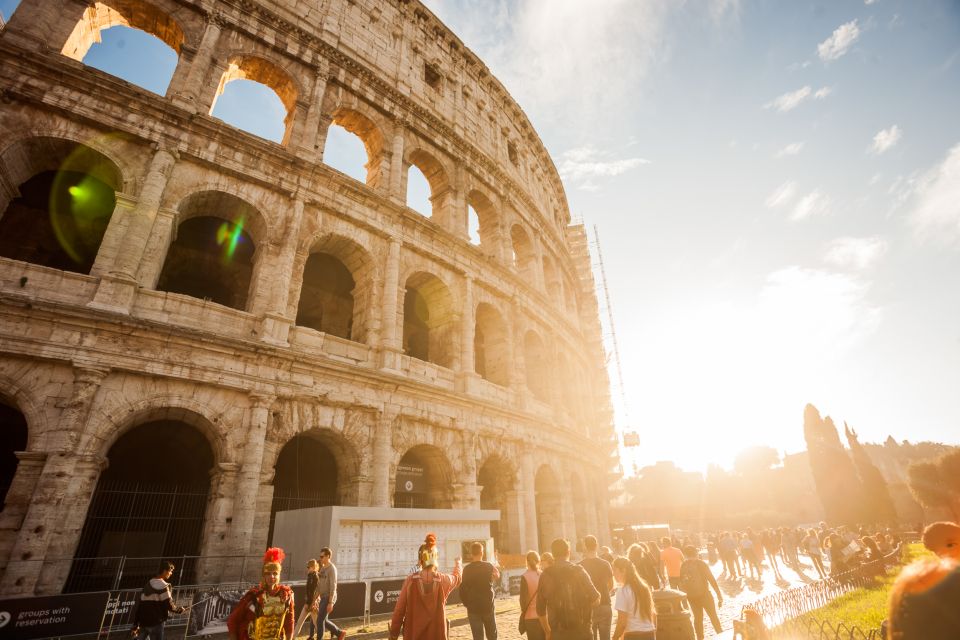
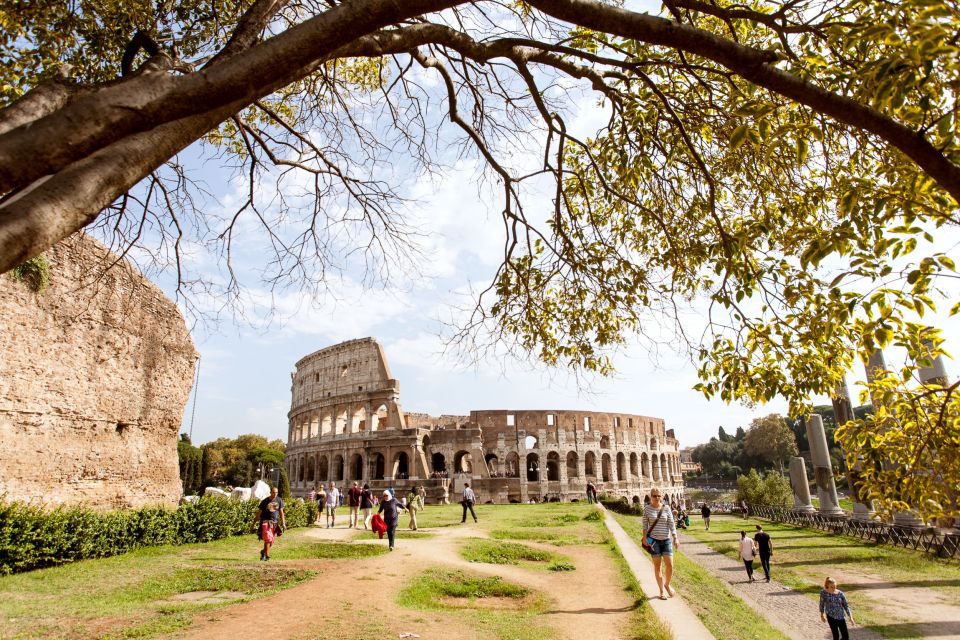
The ruins of the ancient amphitheater, which for many centuries the world has known as the Colosseum, is the No. 1 attraction on the tourist map of Rome. This is the hallmark of the Italian capital and one of the largest structures of the beginning of the era. In ancient times, the amphitheater was called the temple of death, because thousands of people and animals died in the arena. Despite the fact that only the third part of the Colosseum remains today, it has not lost its grandeur and scale. It is not for nothing that the famous quote from the work of the great Byron became famous — «but the Colosseum collapses and Rome collapses.»


Colosseum: Opening Hours
The Colosseum is open through the year, except for Christmas and New Year’s — 1 January and 25 December.
Opening hours are from 8:30 until 19:00 (or one hour before sunset).
How to Get to the Colosseum
Colosseum — Piazza del Colosseo, 1, 00184, Rome
Metro station: Colosseo.
To reach the Colosseo station, board a metro on Line B. After just a 2-4 minute walk to the Colosseum entrances. From Roma Termini your journey should take less than 5 minutes.
Bus station: Piazza del Colosseo.
Buses 40, 51, 60, 75, 81, 175, 204.
Colosseum: Roman History to Know Before You Visit
Colosseo in Italian means huge.
The story goes that the Colosseum was built in just nine years, which does not seem strange at all — the best engineers and architects of Roman antiquity took part in the construction. More than one hundred thousand slaves were brought to the site of the construction, who performed all the most laborious work on transporting and lifting construction material. As a result, the gigantic amphitheater building at that time, about fifty meters high and more than eighty meters long, was built in record time.
Apart from its grandiose size, the Colosseum’s shape is not much different from similar structures built in Rome in ancient times. The event arena is surrounded by an ellipsoid ring of multi-tiered stands, the total length of which is more than half a kilometer. The walls were built from large blocks of travertine stone, which was processed by stonemasons. Slaves brought travertine from the Tivoli mining quarry. The blocks of stone were connected to each other by iron piles. Inside, the structure was finished with brick and tuff.
Eighty entrances were built in the Colosseum, of which several were intended for the highest elite and led to comfortable areas of the lower row (podium) with stone benches. The capacity of the auditorium was 50 thousand people. The spectator seats were arranged according to the hierarchy:
The lower row was occupied by the imperial family, with their entourage. For security reasons, the podium was fenced off from the arena by a low wall, which allowed to observe what was happening without interference.
Above the tier there were two dozen rows, now completely destroyed by time, for representatives of the Roman authorities.
The third floor, the most inconvenient for viewing, was occupied by people of the lower classes.
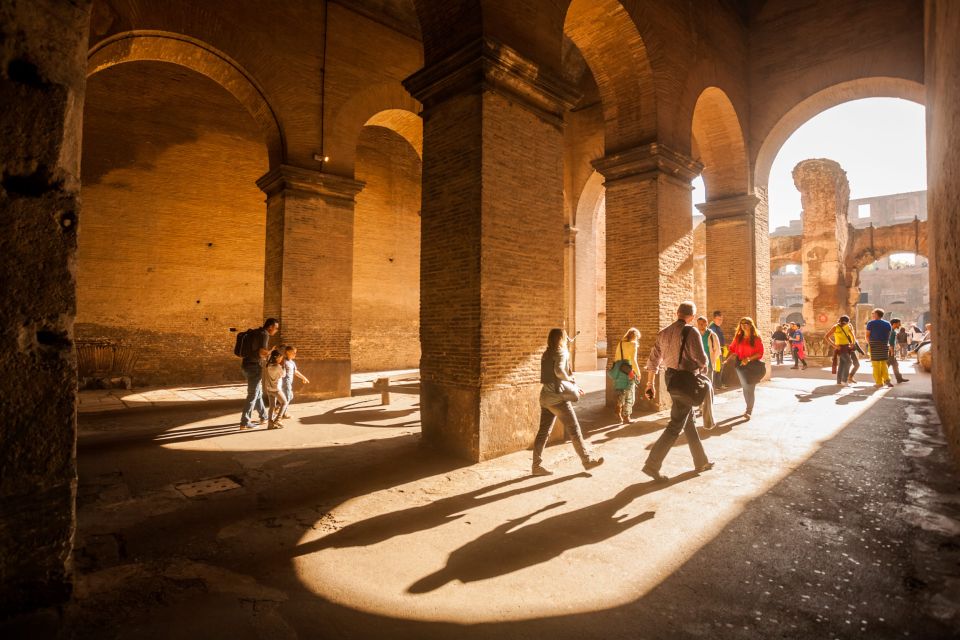
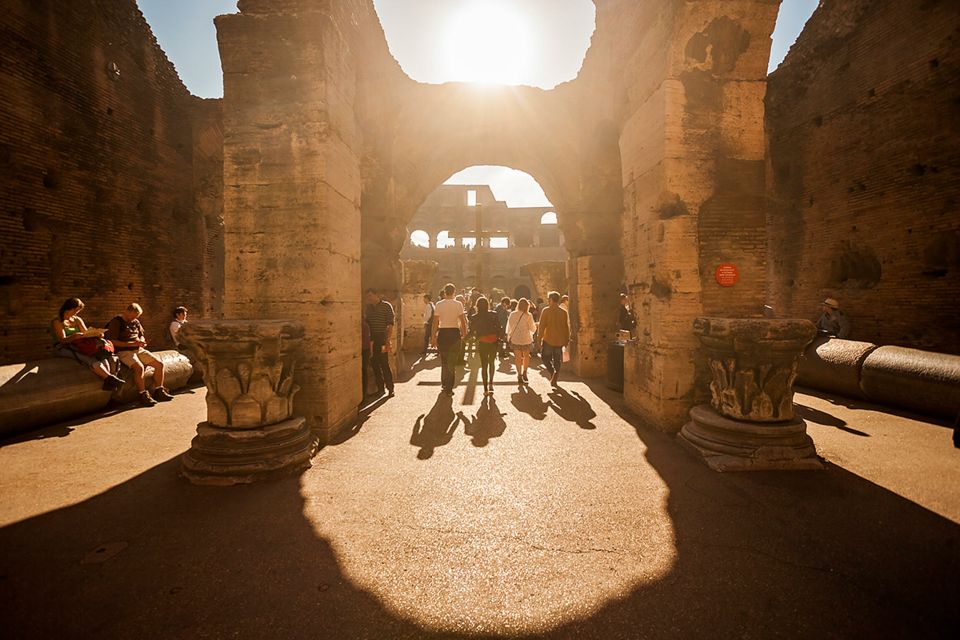
One of the features of the architecture of the Colosseum, which has become its main distinguishing feature, is the numerous open arches in the first three tiers. Previously, each of the arches of the upper tiers was occupied by sculptures. The problem of protection from rain and sun was solved by pulling a special awning over the Colosseum, which was attached to the walls. The tent was served by the military, who occupied their seats at the level of the fourth tier during the performances.
According to historical descriptions, for a long time the Colosseum arena was used for cruel spectacles — gladiatorial fights, animal baiting and execution of criminals. In the III century, a strong fire occurred in the amphitheater, after which the forum was restored. In the V century gladiatorial fights were banned, but animal abuse continued for many more years. After the arrival of foreigners on Roman soil, the Colosseum lost its original purpose. Craft workshops were located here, and burials began to be held in the arena.
In the XIV century, a strong earthquake occurred in Rome, which marked the beginning of the destruction of the amphitheater. The Roman inhabitants supported by their actions that the elements could not be completed, dismantling the ruins for building materials. The Colosseum was saved by Pope Benedict XIV, who was the first to take it under his protection. It is thanks to Benedict that the majestic structure has survived to this day.